Human-in-the-Loop AI: What It Means in Practice for Service Businesses
Human-in-the-loop AI does not mean every task waits for approval. It means the business decides where AI can act, ask, escalate, and record.
Source-backed guide
Direct answer
Human-in-the-loop AI means people stay accountable for the moments where judgment, risk, consent, or customer trust matters. In a service business, AI can capture, draft, route, remind, summarize, or recommend, while a person reviews exceptions and approves sensitive decisions.
The point is control, not slowness
Human review should not turn every workflow into a waiting room. The goal is to define where AI can move work forward and where a person must make or approve the decision. That boundary lets automation stay useful without becoming careless.
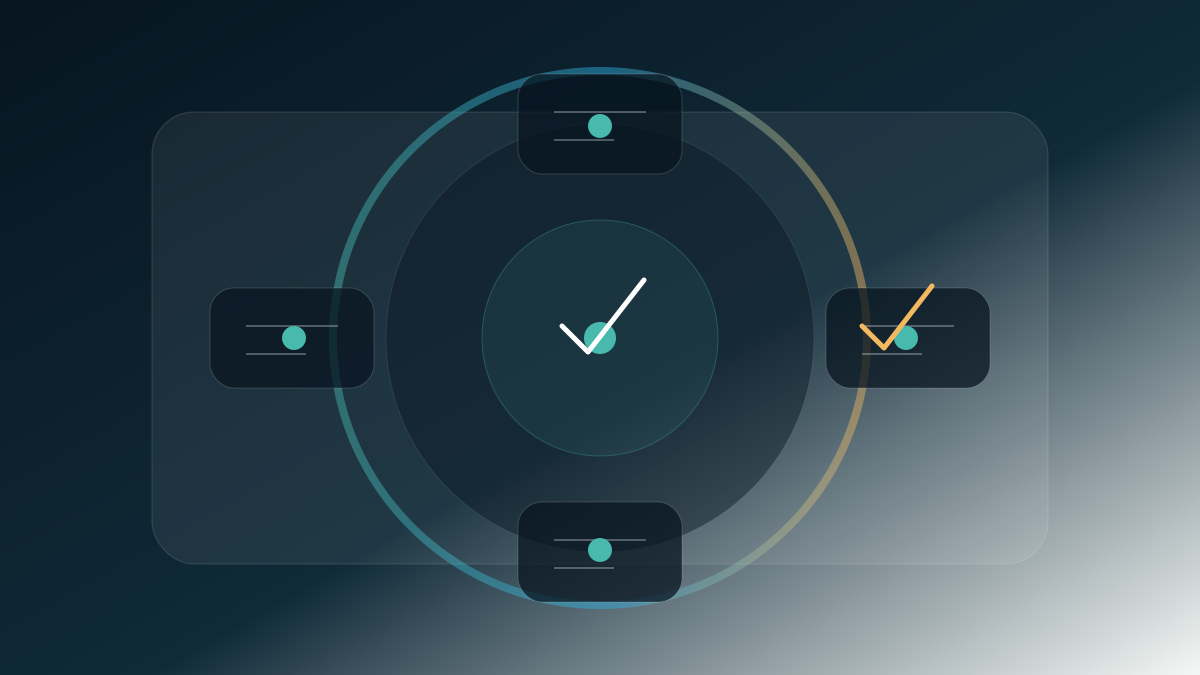
Four lanes make the workflow inspectable
Act
AI completes approved low-risk steps, such as sending a reminder or creating a task from a known rule.
Ask
AI requests missing information before moving forward, such as service address, preferred time, or missing intake context.
Escalate
AI hands off risk, ambiguity, complaints, consent questions, or high-value exceptions to a person.
Record
AI preserves what happened, what rule applied, who reviewed it, and what changed after review.
Where human review should stay visible
Complaints, refunds, threats, safety concerns, or high-emotion messages.
Medical, legal, financial, employment, insurance, or contract judgment.
Pricing exceptions, unusual promises, or relationship-sensitive customers.
Identity, consent, authorization, or data-access questions.
Any workflow where the team cannot explain the rule clearly.
What AI can do before approval
Prepare intake summaries for the team.
Draft follow-up messages from approved templates.
Route requests to the right owner or queue.
Flag missing information before a person responds.
Create review logs that help the owner improve rules each week.
Start with one approval boundary
Pick one workflow, write the act-ask-escalate rules, and review the first week of output before expanding. Human-in-the-loop design works when the boundary is visible enough to inspect.
FAQ
Does human-in-the-loop AI mean AI cannot act on its own?
No. AI can act on approved low-risk steps. Human-in-the-loop means sensitive or unclear steps have a defined human owner and review path.
What is an example for a service business?
AI can summarize a missed call, draft a follow-up, ask for a preferred appointment time, and escalate complaints or pricing exceptions to the office manager.
How much review is enough?
Start with more review than you expect to need. Reduce review only after the workflow has clear logs, stable rules, and acceptable escalation patterns.